A narrative storyline used in an advertisement as a way to deliver the brand message and persuade the audience to do the desirable action on emotional level.
Because being emotional can have a significant effect on how people think, decide, and solve problems, which makes delivering our message easier.

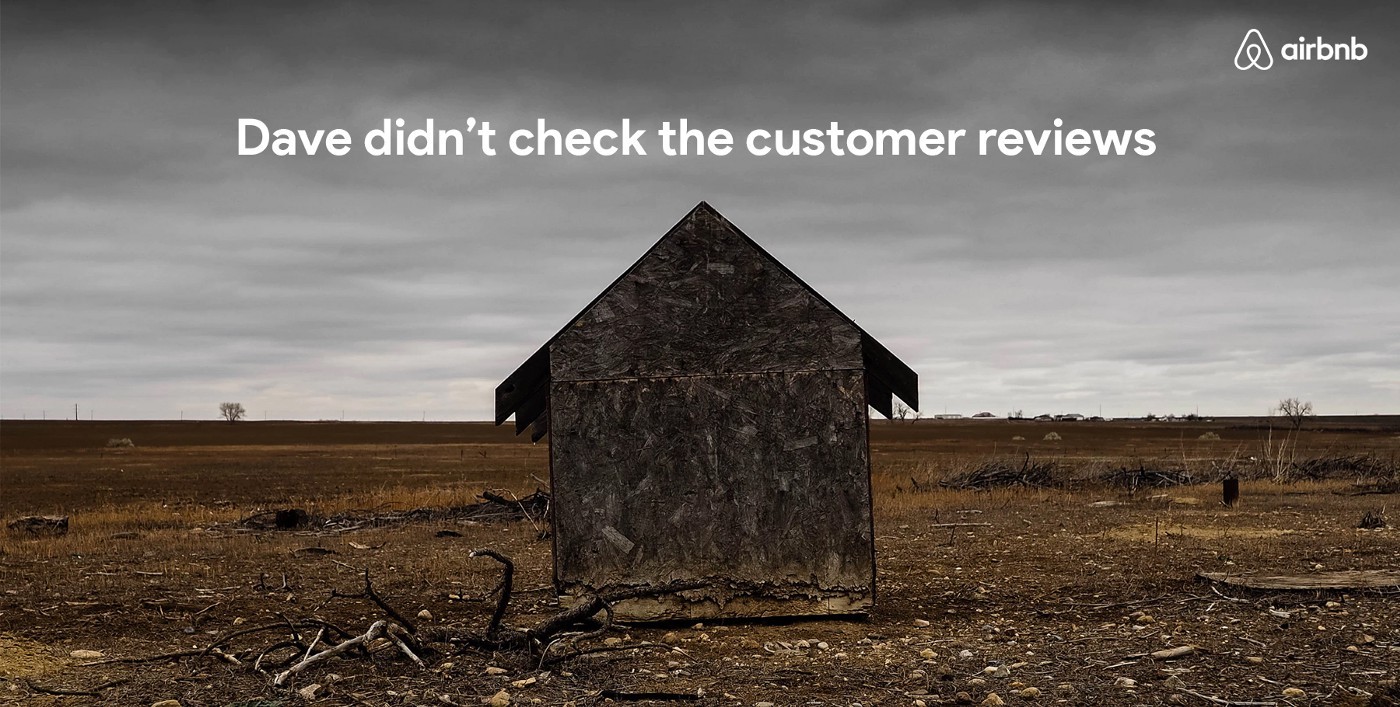





"People are more likely to make changes to their lifestyle and health habits, if they see a character they relate to making the same changes"
Melanie Green, a communication professor at the University of Buffalo
What do you need to create a compelling storytelling for your ad?




Imagine, as an archer you are tasked to hit multiple targets. Before even grabbing your weapon, you probably become curious enough about the targets, that you start to unconsciously investigate them: where they are, how big they are, or whether they are moving or not. Then, you let your instinct to explore any possible factor that might affect your performance, such as how strong the wind is. And that's it, you're on a good start. It is always advised to identify every aspect about the target, all to maximize your accuracy.
But, how does it work in advertising?
Create buyer persona
Gather the data
In creating a buyer persona, you need to know whether you already have a historical data or not. If you do, collect every information from all channels such as: Instagram polls, customer feedback & reviews, etc. If you don't, you can forecast your audience by doing some surveys and polling to collect data directly from them.
In acquiring the data, you're gonna need some important information as mentioned below:






Categorize the buyer persona


Polishing your storytelling without giving any message will not mean much. Brand message is the tip of your arrow, and storytelling is your bow. Both are equally important. A bow with blunt arrowheads still pack a punch, but it won't leave any marks on the target. Your well-crafted bow will be as effective if you have sharpened your arrowheads beforehand.
But, once again, how?

Ask yourself these questions:
What emotions am I trying to trigger with my storytelling?
Let's say after seeing my soon-to-be-ad, I want my audience to know that we care for them, so that they will trust our brand and feel hopeful and understood. That way, we planted a good impression of our brand into their mind, resulting in becoming their go-to brand.
You can explore any other emotions that will trigger audience to act accordingly, for example:

Happy
Happy audience = Share their experience, enhancing word-of-mouth marketing.

Nostalgic
Emotionally connected audience = Feel more bonded to the brand.

Entertained
Entertained audience = Stay on the ads until the end, grasping the message without realizing that it is actually an ad.

Hopeful
Hopeful audience = See brand as a source of positive change or progress.

Relieved
Relieved audience = Trust and choose your brand.

Curious
Curious audience = Engage an explore more about the brand or product, driving further interaction.
What are my audience problems, needs, and wants?
Although there are many other ways to know your audience, go back to "Know Your Audience" instruction to get you started.
How are your product gonna solve their problems yet still be different from others?
This is your time to shine. Being different is preferred because it can give you unique image that is easy to remember. To make that, there are 3 important ingredients that you can add to your magic pot: (1) a sharp Unique Selling Points, (2) a visualization about how it feels to be your customer, (3) and an emotional trigger.
For example, in selling my ointment product, I want my product to be the all-day solutions that offer you a relief at any time of the day without posing any danger.


Enough talking, now let's get into the fletching table. After I compiled and categorized the data, most of the sources mention the same 5 factors, which are:

Characters

Plot

Challenges

Feelings

Resolution
Now, you have the keywords:
Problems & Solution
Visual
Emotion
But, relatability and emotion is subjective. How can we understand the audience?
There is one way (at least that I know of) that might help communicating your value to be more connected with your audience: try to breakdown the idea to the most simple reasoning.
Why do I need an ointment medication?
To relieve pain in a targeted manner without without side effects to the whole body
Why do I need to relieve pain, in a targeted manner without side effects to the whole body?
to recover and continue daily activities with minimal disruption.
Why do I need to recover comfortably and continue daily activities with minimal disruption?
to maintain a good quality of life and focus on what matters most, like family
A mother
to live healthier and comfortably
A senior
Now, let's try to use it:
Ointment Medication
A mom with kids
Problems & Solution
Sick kids
A medication that is safe and easy to get
Visual
Mom caring for her kids
Emotion
I want my audience to feel the nostalgia & comfort
And voila!
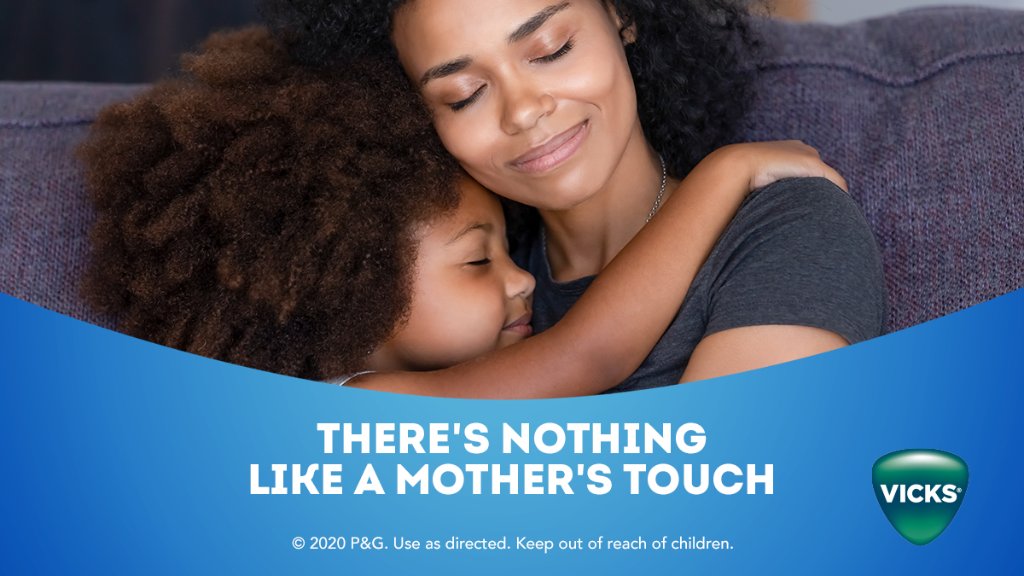
A bit explanation:
Concept
Theme:
The visual emphasizes the special, soothing touch that only a mother can offer, portraying it as essential for emotional and physical healing.
Storyline:
The ad typically features scenes of a mother caring for her child who is suffering from cold or flu symptoms, which is aligned with the product.
Emotion
Nostalgic, warm, and comfortable:
The product is presented as the mother, whose presence is portrayed as tender and loving. It taps into universal feelings about maternal care that most of children can relate. Even mother was once a daughter.
Message
Trusted and reliable:
The underlying message is that while Vicks products offer symptom relief, they are part of the broader care that a loving mother provides. The ad reinforces the idea that Vicks products are a trusted choice for families, aligning the brand with the warmth and reliability of maternal care.
I completely understand that it is hard to come up with such idea.
So, I think all we can do is to try to sharpen our guts and get familiar with that.
A little more examples, shall we?
Ad Creative Breakdown
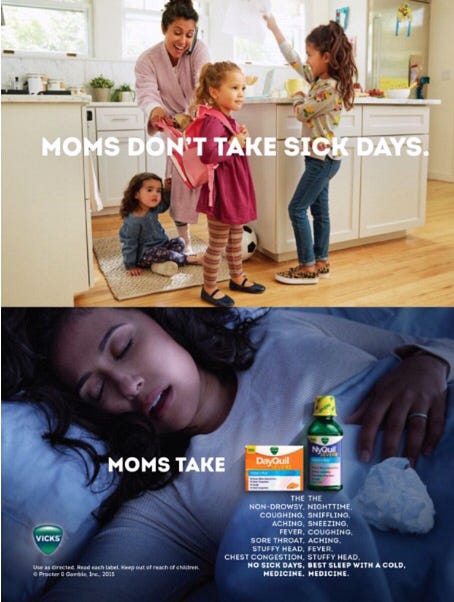
"Moms Don't Take Sick Days" by Vicks

A bit explanation:
Concept
Theme:
Not far different from the previous ad, this ad revolves on the idea that mothers (and fathers) don’t have the luxury of resting when they’re sick because they are always needed by their families.
Emotion

Love:
The emotional appeal taps into themes of self-sacrifice, resilience, and love. By showcasing a mother powering through illness to care for her child, the ad resonates emotionally with viewers, especially parents, who relate to the reality of caregiving.
Message

Care:
Vicks positions itself as a product that helps mothers keep going, reinforcing the bond between family care and Vicks' relief.
Keywords breakdown:
The product
Medication
A mom or a dad
Problems & Solution
Sick kids/family members
A medication that is safe, easy to get,
and can be used at any time of the day
Visual
Image contract between when a mom is hectically
taking care of her kids and when a mom is sleeping
Emotion
I want my audience to sympathize all moms out there
and know that we, as a brand, understand them
"Find Your Greatness" by Nike
A bit explanation:
Concept

Theme:
The campaign focuses on the idea that greatness is not reserved for elite athletes but is accessible to everyone. This approach highlights that greatness is found in the journey and effort of individuals pursuing their personal goals.
Emotion

Empowerment:
The ad encourages people to push their limits and strive for their best, fostering a sense of empowerment. It evokes feelings of empowerment and self-worth, suggesting that each person has the potential for greatness in their own unique way.
Message

Support:
Through the ad NIke portrayed itself as a brand that is dedicated to supporting and celebrating the personal achievements of individuals from all walks of life. This emotional connection strengthens brand loyalty and aligns Nike with the positive aspects of personal achievement.
Keywords breakdown
The product
Sportswear
A person that is trying to achieve
something in their life.
Problems & Solution
Self-doubt, lack of motivation,
and other personal barriers
Empowerment, inspiration, and encouragement
Visual
Ordinary people, often in everyday settings,
engaging in various activities or sports
Emotion
I want my audience to feel encouraged
to achieve their goals
My personal favorite: "Cheaper" by Durex
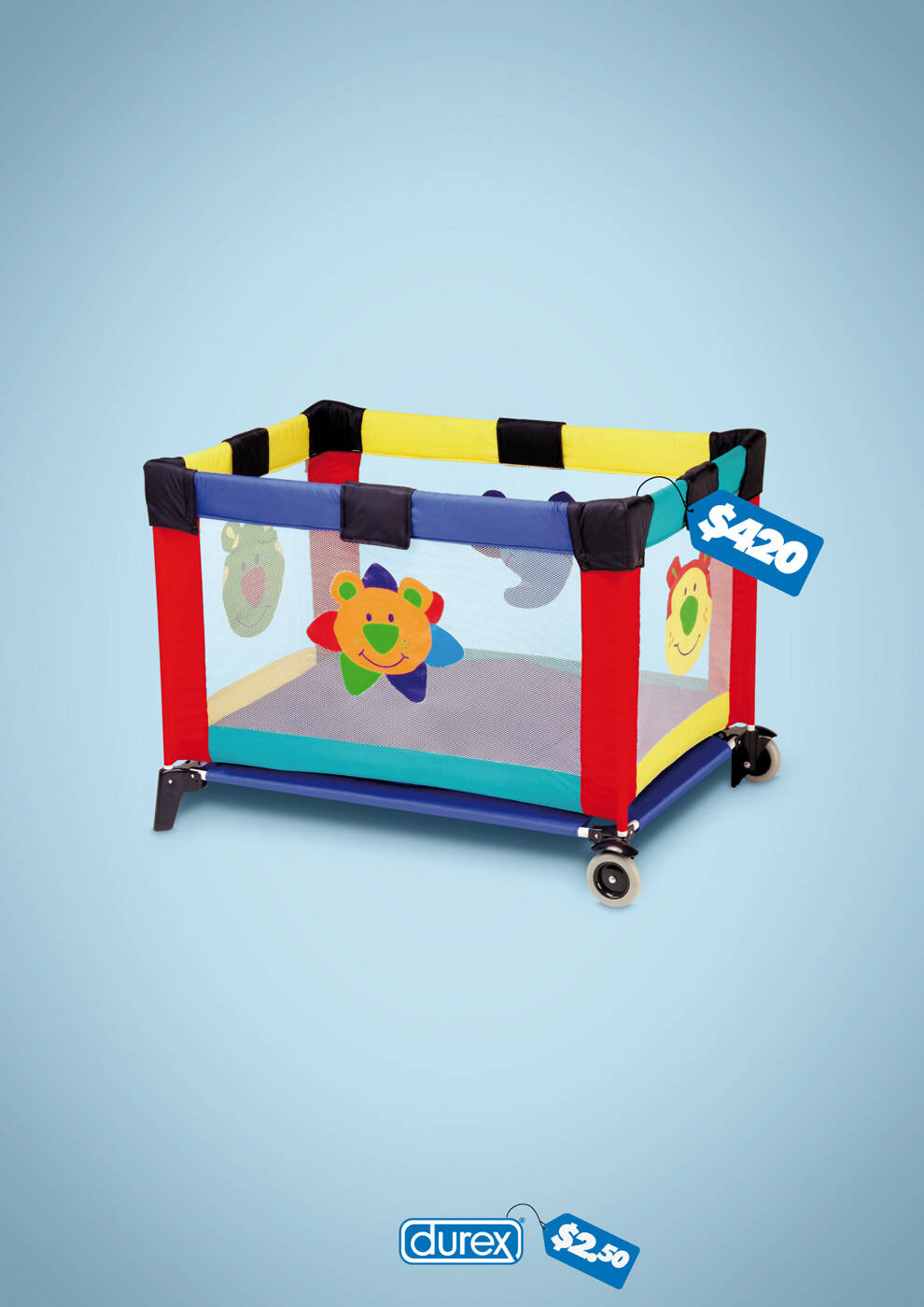

A bit explanation:
Concept

Theme:
By comparing the price, the ad humorously implies that using Durex can help prevent unintended pregnancies and the subsequent financial responsibilities of parenthood.
Emotion
Humor:
The ad uses humor by subtly implying that choosing a condom, which costs only $2.50, could save you from much higher costs (symbolized by the baby stuff). This approach grabs attention and makes the message memorable without being overly serious.
Message

Smart choice:
The ad plays on the idea that spending a small amount now can save you much more later in terms of time, energy, and money. Durex is positioned as the "smart" or practical choice for those who aren't ready for the financial or emotional commitment of parenthood.
Keywords breakdown
The product
Condom
A sexually active straight
male who is not ready to have
a baby
Problems & Solution
Future responsibilities of having a baby
Safe sex with no future consequences
Visual
Price comparison between Durex and baby stuff
Emotion
I want my audience to feel entertained while
being aware of the consequence of unprotected sex
Ad Storytelling Condiment
Give them the spotlight
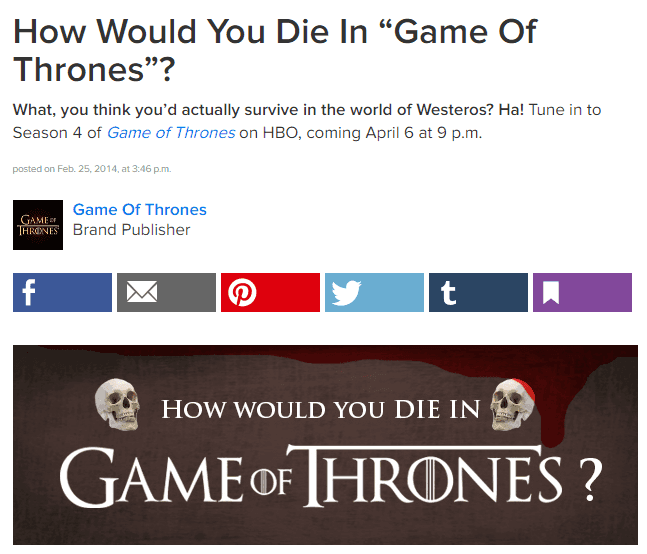
Giving the audience a chance to answer a fun quiz about themselves pulls people in because it makes the experience personal and interactive. People love discovering more about themselves, and quizzes create curiosity. It’s a playful way to involve the viewer, keeping them engaged and making them feel directly connected to the ad’s message.
It's a good addition if you are looking for:
Engagement
Lead Generation
Audience Insight
Social Sharing
Display city map
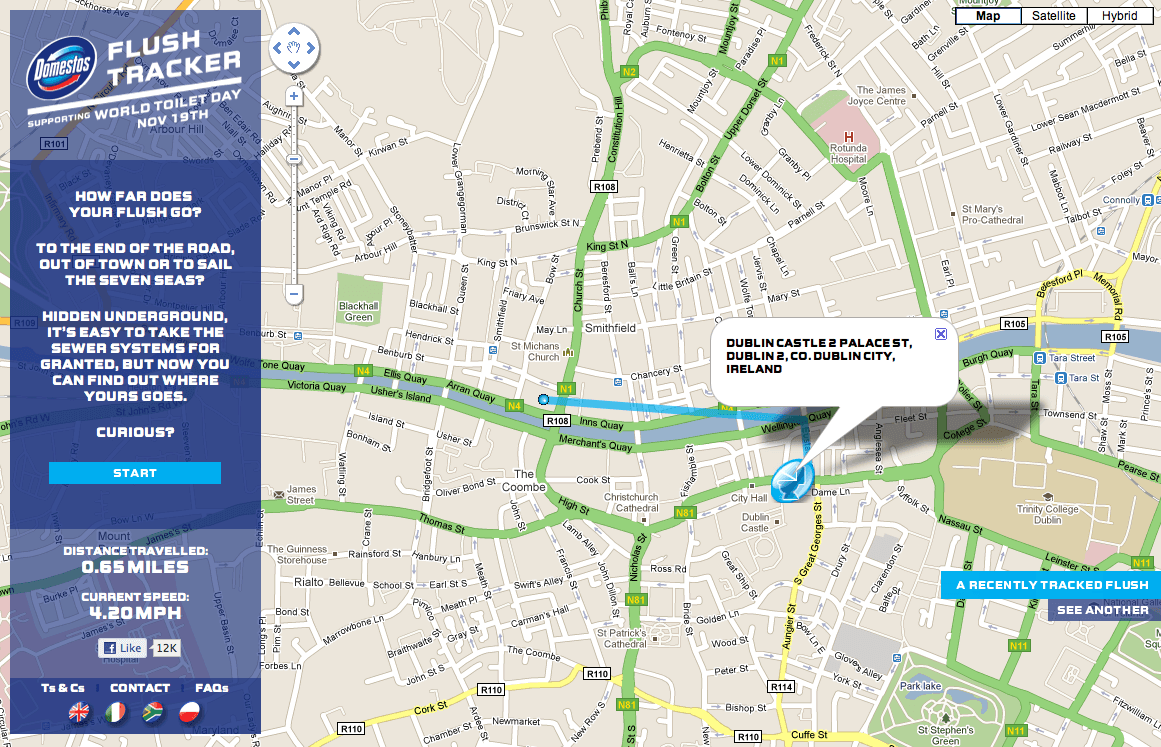
City maps in ads attract attention by creating a sense of place and familiarity. People are naturally drawn to things they recognize, like landmarks or streets they navigate daily. Maps also offer useful information, making the ad practical as well as engaging, especially if it ties into local pride or community identity.
It's a good addition if you are looking for:
Local customer/attendee
Community experience
Location-based Promo
Use the surroundings

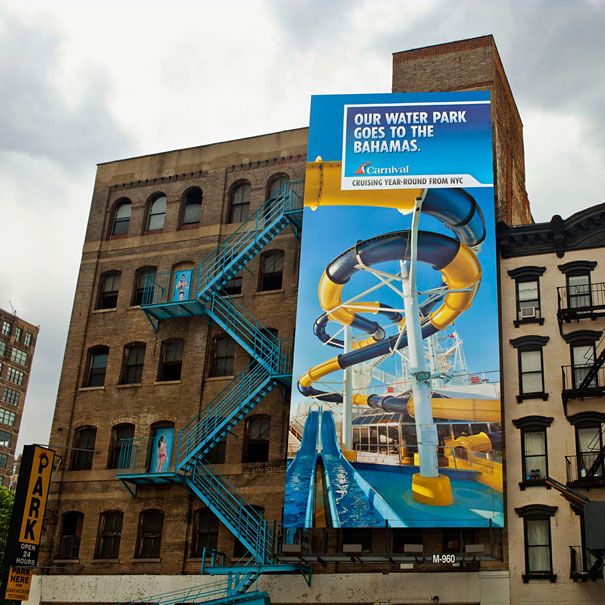
These creative environmental ads are so cool! They're way more fun than regular billboards and turn boring spaces into something funny or interesting. Honestly, it feels like these ideas came straight from a five-year-old’s imagination.
It's a good addition if you are looking for:
Impact & Memorability
Local Engagement
Social Share
Reference pop culture

Referencing pop culture grabs attention because it taps into shared experiences or trends that people are already familiar with and excited about. Whether it's a popular TV show, meme, or celebrity, these references create a sense of connection with the audience and make the ad feel current and relevant. Plus, when people recognize something they love, they’re more likely to engage with the content.
It's a good addition if you are looking for:
Immediate Attention
Relevance
Social Share
Specific Demographic
5, Use puns
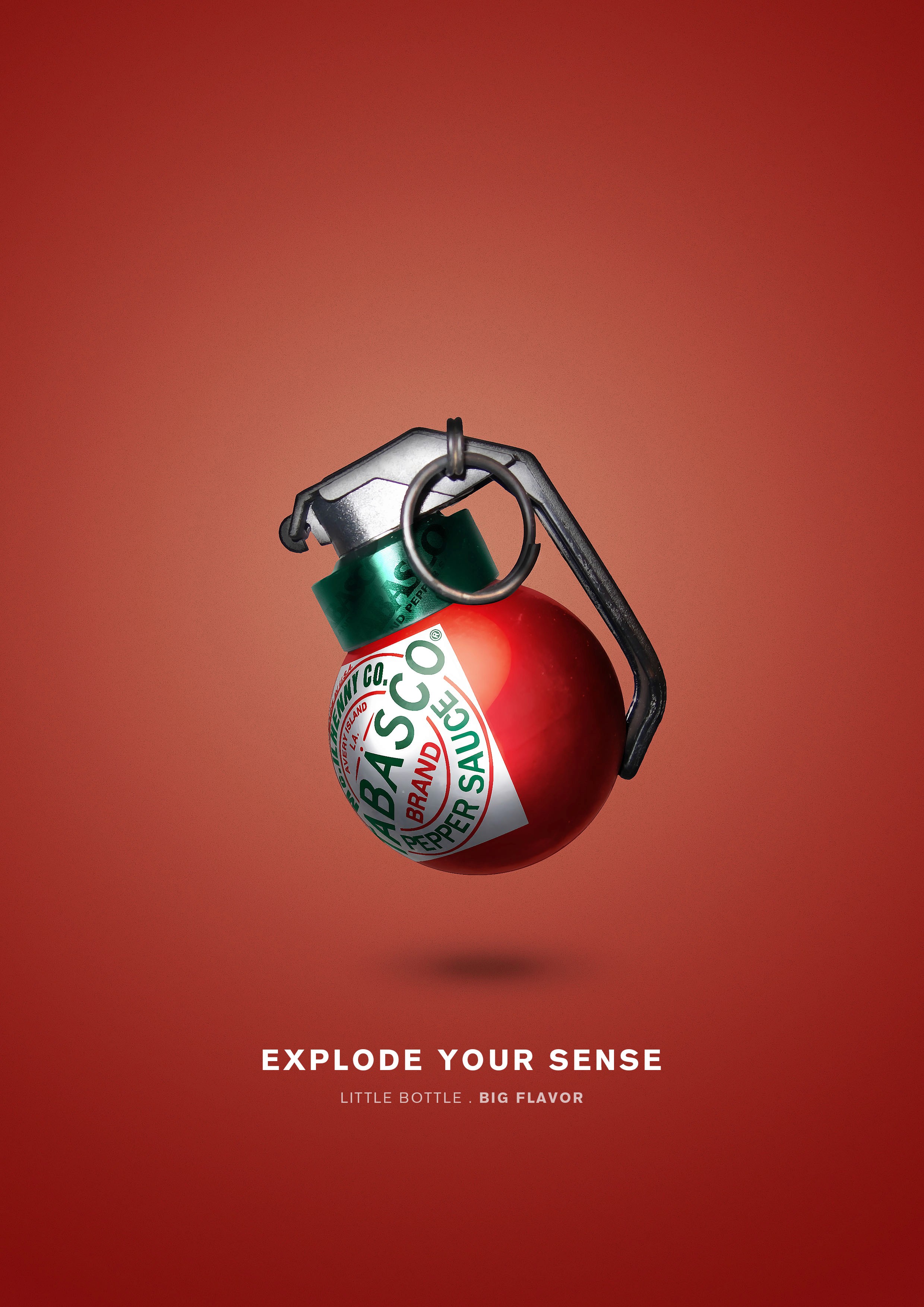
Puns grab attention because they’re clever, playful, and often humorous. When someone spots a pun, they’re usually rewarded with a small, mental "aha!" moment, which makes the ad more enjoyable and memorable. It creates a lighthearted mood that resonates well with audiences.
It's a good addition if you are looking for:
Memorability
Engagement
Social Share
Display cute animals

Cute animals attract attention because they evoke warm, positive emotions. Animals, especially kittens and puppies, are universally adored and can instantly grab viewers' attention simply through their adorability. They trigger emotional responses, like joy or affection, making people more likely to engage with and remember the ad.
It's a good addition if you are looking for:
Immediate Attention
Memorability
Social Share
Give some twists

Surprise elements, like an unexpected ending or a quirky storyline, keep viewers interested and guessing what's coming next. It's a great way to grab attention and make ads stick.
It's a good addition if you are looking for:
Impact & Memorability
Social Share
Audience Curiosity
Creative Brand Image
Virality
Until next time.